
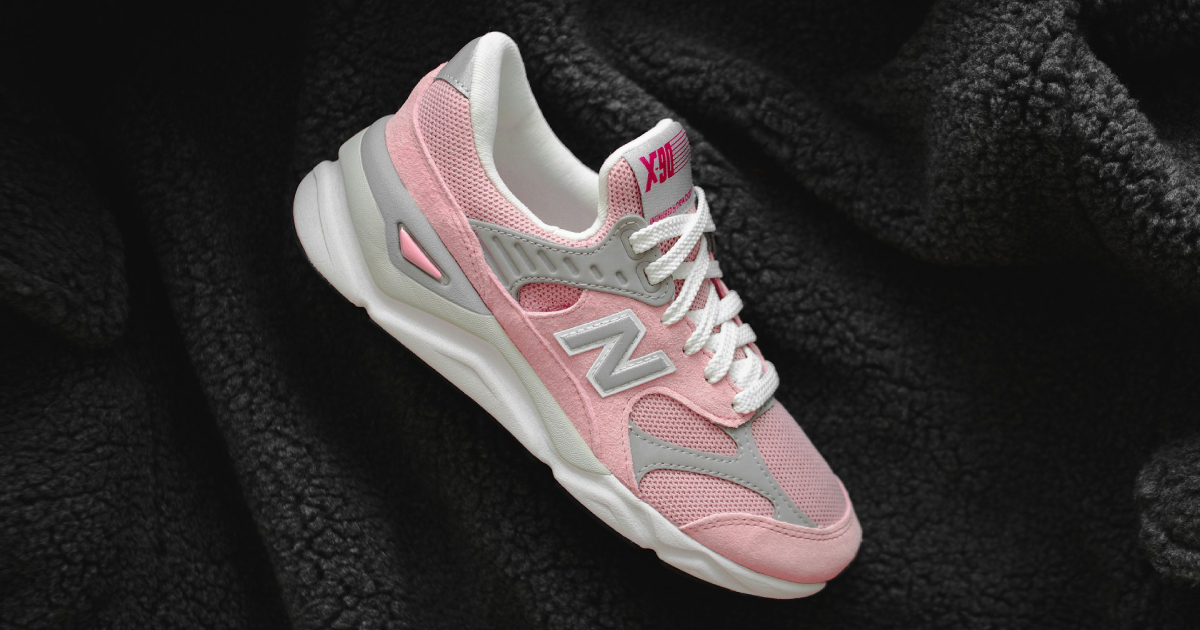
The safest way to choose a New Balance size is to start with foot length in centimeters, then compare that CM value with the EU, US or UK size used by the brand. A familiar label such as EU 42 or US 9 is useful, but it should not be the only reference. New Balance models can differ by category, width, upper material and intended use, so the best result comes from combining a measured foot, a brand size chart and a practical fit check.
New Balance is known for running shoes, walking models and lifestyle sneakers that often focus on comfort, cushioning and stability. That is exactly why sizing matters. A shoe that is slightly too short may feel restrictive during longer walks or runs, while a pair that is too long can reduce stability and cause heel movement. This guide explains how to read New Balance shoe sizes, how to measure your feet correctly and when to compare New Balance with Nike, Puma or Salomon before buying.
How New Balance shoe sizing works
New Balance shoe sizes are usually presented in several systems: EU, US, UK, CM and sometimes IN. For many shoppers, the EU or US number is the first thing they notice, but the CM value is often the most useful reference because it is connected to foot length. For example, in a unisex New Balance chart, EU 42 may correspond to US 8.5, UK 8 and 26.5 CM, while EU 44 may correspond to US 10, UK 9.5 and 28 CM. The number on the box is only a label; the measurement behind that label is what helps you compare sizes more accurately.
This matters because shoe brands do not always map EU, US and UK sizes in the same way. A size that looks identical on two boxes may represent a slightly different foot-length baseline. Even within one brand, a retro lifestyle sneaker, a performance running shoe and a walking shoe may create a different fit sensation. The shape of the toe box, the stiffness of the upper, the height of the instep and the way the heel is held can all change how the same size feels on foot.
For a complete table, it is best to check the New Balance shoe size chart and compare the row that matches your measured foot length. This approach is more reliable than guessing from memory, especially when you are buying online or switching from another brand.
How to measure your foot before choosing New Balance
A good measurement is the foundation of a good size decision. Feet can change over time, and old shoes are not always a perfect guide because the upper may stretch, the midsole may compress and the heel area may lose its original shape. Measuring both feet gives you a clearer starting point, especially if one foot is slightly longer.
- Place a sheet of paper on the floor and stand on it with your heel against a wall or straight edge.
- Mark the end of your longest toe, then measure the distance from the wall to the mark in centimeters.
- Repeat the process for the other foot and use the longer measurement as your main reference.
- Compare your CM result with the New Balance chart, then check the nearest EU, US or UK equivalent.
Measure your feet later in the day if possible, because feet can expand slightly after walking or standing. Wear the type of socks you plan to use with the shoes. Thin casual socks, thick running socks and winter socks can change the amount of available space inside the shoe. For running and long walks, a small amount of toe room is usually important because the foot moves forward during activity. For lifestyle sneakers, the fit can be closer, but the toes should still move naturally.
Why CM is often better than EU, US or UK
The CM value is useful because it gives you a more stable baseline across brands. EU, US and UK are sizing labels, and labels can be mapped differently depending on the brand, gender line or shoe category. CM does not eliminate every fit issue, but it reduces one of the most common mistakes: assuming that the same EU number always means the same internal fit.
For example, a New Balance EU 42 and a size EU 42 from another brand may not align perfectly in the same CM row. When you compare by CM first, you are asking a better question: which size in the target brand is designed for a similar foot length? After that, you can check model-specific details such as width, toe box shape and upper flexibility.
The easiest way to do this is to use a direct brand-to-brand tool such as the shoe size converter. Start with a pair that already fits you well, choose New Balance as the target brand and compare the result by CM instead of relying only on the EU or US label.
New Balance vs Nike, Puma and Salomon: when to compare brands
Brand comparison is especially helpful when you already know your size in another pair. If your Nike, Puma or Salomon shoes fit well, that size can serve as an anchor. The key is not to copy the label blindly, but to match the corresponding chart row and then consider the shoe category. Running-to-running comparisons are usually more meaningful than comparing a trail shoe with a soft lifestyle sneaker.
When comparing New Balance and Nike sizes, it is worth paying attention to both length and width. Nike performance uppers can feel snug in some models, while New Balance often appears in conversations about comfort and width options. That does not mean every New Balance shoe is automatically wider or every Nike shoe is small; it means the final decision should include the specific model and your foot shape.
The New Balance vs Puma size comparison is useful for shoppers switching between lifestyle sneakers, training-inspired shoes and everyday comfort models. Puma EU labels may not always line up with New Balance in the same way, so CM-based matching is a safer reference than choosing the same visible number.
For trail and outdoor use, the New Balance vs Salomon comparison can be particularly practical. Salomon shoes are often chosen for outdoor, hiking or trail running contexts, where foot hold, toe protection and downhill movement matter. A size that feels comfortable in a casual New Balance sneaker may need a different evaluation when the target shoe is built for technical terrain.
What affects the real fit of New Balance shoes?
The chart gives you a starting point, but the real fit depends on the shoe itself. New Balance models can vary in width profile, cushioning level, upper structure and purpose. A soft mesh running shoe may adapt to the foot differently than a suede lifestyle sneaker. A model with a structured heel counter may feel more secure, while a flexible upper may feel more forgiving in the forefoot.
The most important fit factors are:
- Length: there should be enough room in front of the toes, especially for running and longer walking.
- Width: a correct length can still feel wrong if the toe box is too narrow or the midfoot is too loose.
- Upper material: mesh, leather, suede and synthetic overlays adapt differently over time.
- Use case: running, walking, daily wear and outdoor activity place different demands on fit.
- Socks and insoles: thicker socks or custom insoles can make the same size feel smaller.
If you are between two New Balance sizes, think about how the shoe will be used. For running, long walks or warm-weather wear, choosing the slightly roomier option may be more comfortable, provided the heel stays stable. For casual wear, a closer fit can work well as long as there is no toe pressure. Do not solve a width problem by adding too much length; if the shoe is narrow, a different width or model may be a better solution.
Common mistakes when choosing New Balance size
One common mistake is relying only on an EU number. EU sizing is familiar, especially in Europe, but it does not always show the full picture. Another mistake is using an old pair as the only reference. A worn shoe may feel comfortable because it has stretched and softened, not because the original size was ideal. It is also risky to ignore gender and unisex sizing lines, because US men’s, US women’s and unisex conversions can differ.
Another frequent issue is confusing foot length with insole length. Insole length may include extra internal space and is not always presented consistently by retailers. If you know your foot length in CM, use that as the main baseline, then check the brand chart and the model notes. This approach is especially useful when buying limited releases, seasonal colors or models that may not be easy to exchange.
FAQ: quick answers about New Balance sizes
Do New Balance shoes run true to size?
Many New Balance models can feel true to size for users who choose based on CM and the correct width, but there is no universal answer for every model. Running shoes, lifestyle sneakers and outdoor-oriented designs can fit differently.
Should I size up in New Balance?
Size up only when you need extra toe room, use thicker socks or fall between two chart rows. If the issue is width rather than length, look for a wider fit or another model instead of simply adding length.
Is New Balance sizing the same as Nike?
No, not always. The same EU or US label can map differently between brands. Use CM-based comparison first, then consider model fit, upper material and width.
What is the best size reference for New Balance?
The best reference is your measured foot length in centimeters combined with a New Balance chart and a comparison to a pair that already fits you well.
New Balance sizing in practice: measure, compare, then choose
A clear path to a better everyday fit
Choosing the right New Balance size is not about guessing whether the brand runs big or small. It is about building a reliable fit chain: measure your foot, use CM as the baseline, compare the correct chart row and then check the model’s purpose, width and materials. This method works better than choosing from memory, especially when you move between brands or buy shoes online.
Before your next purchase, compare your known size with New Balance and check how the result changes against Nike, Puma or Salomon. A few minutes of size checking can make the final pair feel more natural from the first wear and help you avoid unnecessary returns.