
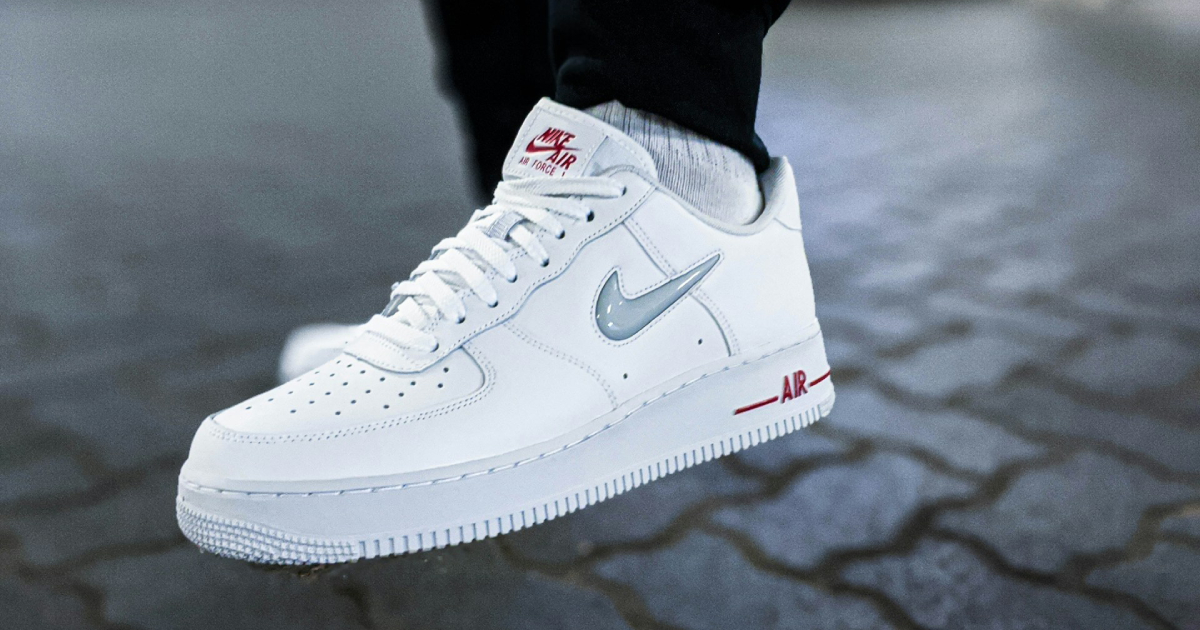
Being between shoe sizes is one of the most common reasons why a pair of shoes feels “almost right” but never truly comfortable. One size may feel slightly tight around the toes, while the next size up may slip at the heel or feel unstable during walking. The problem is not always your foot. It is often the result of differences between brands, shoe shapes, materials, sizing systems and the way your feet change throughout the day.
The good news is that choosing the right size becomes much easier when you stop looking only at the number printed on the box. A shoe size is a useful starting point, but the real decision should also include foot length, width, toe room, heel fit, shoe type and brand-specific sizing. Tools such as a shoe size converter can help you compare sizing systems, while brand pages and comparison tools make it easier to understand how different manufacturers fit in practice.
Why shoe sizes are not always exact
Shoe sizing looks simple on the surface, but it is not universal. A US 9, UK 8 or EU 42 may suggest a specific foot length, yet the actual fit can vary depending on the brand and model. This is because shoe size charts are based on measurement systems, while real shoes are built on lasts. A last is the three-dimensional form used to shape a shoe. Two shoes with the same size number can feel different if their lasts differ in width, arch height, toe box shape or heel structure.
This is why someone may wear one size in running shoes, another in casual sneakers and a different one in formal shoes. Materials also matter. Leather may stretch slightly over time, knitted uppers can adapt to the foot, while rigid synthetic panels often keep their original shape. A size that feels snug in a soft upper may be acceptable, while the same tightness in a stiff shoe can cause pressure points.
Measure your feet before choosing between two sizes
If you are between sizes, start with accurate foot measurements. Many people rely on a size they have worn for years, even though feet can change due to age, activity level, weight fluctuations, pregnancy, injuries or long periods of standing. Measuring both feet gives you a more reliable baseline.
Measure your feet in the evening, because feet often swell slightly during the day. Stand on a sheet of paper, mark the heel and the longest toe, then measure the distance in centimeters or inches. Repeat this for both feet and use the larger foot as your reference. Also pay attention to foot width, especially if shoes tend to feel tight on the sides even when the length seems correct.
Should you size up or size down?
There is no single answer that works for every shoe. The right choice depends on where the shoe feels tight or loose, the type of footwear and how you plan to use it. However, several practical rules can help.
- Size up if your toes touch the front of the shoe, if you need shoes for running or long walks, or if the upper material is stiff and unlikely to stretch.
- Size down only if the larger size causes heel slipping, instability or too much empty space in the toe box.
- Choose width options if the length feels correct but the shoe presses on the sides of your foot.
- Consider insoles when the larger size feels slightly roomy but otherwise comfortable.
As a general principle, your toes should have enough room to move naturally. For everyday shoes, a small space in front of the longest toe is usually desirable. For running shoes, slightly more room may be needed because feet move forward during impact and can swell during longer activity. On the other hand, shoes that are too long may reduce control, create friction and cause blisters.
Use brand comparison when sizes feel inconsistent
One of the most helpful things you can do when you are between sizes is compare brands instead of guessing. Some brands are known for a snugger fit, while others may feel roomier in similar sizes. Even within the same brand, different product lines can vary, but brand-level information still gives you a better starting point than choosing blindly.
For example, if you often compare popular sportswear brands, a dedicated page such as Nike vs Puma shoe size comparison can help you understand how sizes may differ before you order. This is especially useful when you already know your fit in one brand and want to estimate the closest equivalent in another.
Brand-specific pages are also useful when you want to check sizing patterns and avoid unnecessary returns. If you are considering Adidas footwear, the Adidas shoe size guide can help you review size-related details before buying. If Nike is your reference brand, the Nike shoe size guide can support a more informed choice.
Think about shoe type before making the final decision
The best size decision also depends on the type of shoe. A casual sneaker, running shoe, football boot, hiking shoe and dress shoe should not all fit in exactly the same way. Each category has a different function, and the amount of space inside the shoe should match that purpose.
Running shoes
If you are between sizes in running shoes, sizing up is often the safer choice, especially for longer distances. During running, feet expand and move forward inside the shoe. Too little toe room can lead to bruised toenails, pressure on the forefoot and discomfort on descents. The heel should still feel secure, but the front of the shoe should not compress the toes.
Casual sneakers
With everyday sneakers, comfort and stability should be balanced. If the smaller size feels tight only for the first few minutes but the material is flexible, it may adapt slightly. If there is immediate pressure on the toes or sides, choose the larger size or a different model. A shoe should not require a painful break-in period to become wearable.
Leather shoes
Leather shoes may stretch modestly, especially across the upper, but they usually do not become longer. If your toes touch the front, do not rely on stretching to solve the problem. If the shoe feels firm but not painful across the width, it may soften with wear. The key is to distinguish between supportive snugness and harmful pressure.
Sports boots and performance shoes
Performance footwear often needs a closer fit than casual shoes. Too much space can reduce control and cause the foot to slide inside the shoe. However, overly tight shoes can still create pain and numbness. When in doubt, focus on heel lockdown, toe comfort and lateral stability rather than the size number alone.
How to test shoes properly at home
When trying shoes at home, test them in conditions that resemble real use. Wear the socks you would normally wear with that type of footwear. Try both shoes, not just one, because most people have slight differences between their feet. Walk on a clean indoor surface and pay attention to how your foot behaves during movement.
- Check whether your longest toe has enough space at the front.
- Walk for several minutes and notice any pressure points.
- Check heel movement: slight movement can be normal, but slipping is a warning sign.
- Observe whether the shoe bends naturally where your foot bends.
- Try the shoes later in the day to account for natural foot swelling.
A shoe that feels wrong immediately is unlikely to become perfect later. Some materials soften, but poor length, wrong width or unstable heel fit usually remain a problem. If you are choosing between two sizes and both feel compromised, the model itself may not match your foot shape.
Small adjustments that can help when the larger size is almost right
Sometimes the larger size is the better choice, but it feels slightly roomy. In that case, small adjustments may improve the fit without forcing your foot into a smaller shoe. Insoles can reduce internal volume and improve underfoot support. Heel grips may help with minor heel movement. Thicker socks can also make a difference, especially in casual or winter footwear.
Lacing technique is another overlooked solution. A runner’s loop, also called heel lock lacing, can reduce heel slipping without changing shoe size. For shoes that feel tight across the midfoot, skipping one set of eyelets may relieve pressure. These adjustments are useful when the shoe length is correct but the fit needs fine-tuning.
However, accessories should not be used to fix a fundamentally wrong size. If your toes hit the front, an insole will only make the shoe tighter. If your foot slides dramatically from side to side, a small heel grip will not solve the problem. Adjustments work best when the shoe is already close to the right fit.
When being between sizes means choosing another model
Sometimes neither size is ideal because the shoe shape does not match your foot. This is common for people with wide forefeet, narrow heels, high arches or low-volume feet. In such cases, changing the size only moves the problem from one area to another. The smaller size may squeeze the forefoot, while the larger size may slip at the heel.
The better solution is often to choose a different model or brand. Look for shoes with width options, a more anatomical toe box, adjustable lacing or materials that match your needs. A person with a wide forefoot may need a wider last rather than a longer shoe. Someone with a narrow heel may need better heel structure rather than a smaller size.
Common mistakes when choosing between shoe sizes
Many sizing problems come from habits that seem logical but lead to poor decisions. The most common mistake is assuming that your size is identical across all brands. Another is buying the smaller size because it looks neater, even when it causes pressure. Some people also ignore width and focus only on length, although width can be the real reason for discomfort.
It is also risky to judge fit while sitting down. Feet spread under body weight, so shoes should be assessed while standing and walking. Finally, do not choose shoes only because they are expected to stretch. Stretching is limited and uneven; it cannot reliably fix a shoe that is too short or badly shaped for your foot.
Summary: choose fit, not just size
A better decision starts with measurement and comparison
When you are between shoe sizes, the best approach is to combine measurement, brand comparison and practical fit testing. Start by measuring both feet and checking the larger foot. Use a reliable size conversion tool when switching between EU, UK and US sizing systems. Then compare brand-specific sizing information, especially if you are moving between popular manufacturers such as Nike, Puma or Adidas.
In most cases, sizing up is better when the smaller size causes toe pressure, while sizing down only makes sense if the larger size creates clear instability. Width, shoe type and material should also influence the decision. The right shoe should feel secure at the heel, comfortable through the midfoot and free enough at the toes to allow natural movement.
Instead of treating “between sizes” as a problem, treat it as a signal to look more carefully at fit. A few extra minutes spent measuring, comparing and testing can prevent discomfort, returns and shoes that stay unused in the wardrobe. When you are ready to compare sizes more precisely, Sizetab can help you make that choice with more confidence and less guesswork.