
The most reliable way to choose a shoe size at home is to measure your foot length in centimeters, compare it with the size chart of the brand you want to buy, and then adjust the decision for shoe type, width, socks and personal fit preference. A familiar EU, US or UK size is helpful, but it should not be the only reference. Two brands can use the same size label and still fit differently, especially when you compare running shoes, lifestyle sneakers, walking shoes or training models.
Good sizing starts before checkout. A simple foot measurement can reduce guessing, make online shopping more predictable and help you avoid shoes that are too short, too loose or uncomfortable after a few hours. This guide explains how to measure your feet at home, how to read the result, why CM is often the best reference and how to use brand charts for Adidas, Nike and Skechers when choosing your next pair.
Why foot length matters more than the size printed on the box
Shoe size labels are shortcuts. EU 42, UK 8 or US 9 may look clear, but they do not always mean the same thing across brands. Every brand uses its own chart, last shapes and fit goals. A soft lifestyle sneaker, a structured running shoe and a relaxed walking shoe can all carry the same label while feeling different on the foot.
Foot length in centimeters gives you a more stable starting point because it is connected to a real measurement. It does not solve every fit issue, because shoes also have width, height, toe box shape and upper structure, but it greatly improves the first decision. When you know your CM value, you can compare it with the relevant brand chart instead of guessing from memory.
This is especially useful when switching between popular brands. You can check the Adidas size chart, the Nike size chart or the Skechers size chart and see which row is closest to your measured foot length. The goal is not to find the size you usually wear, but to find the size that matches your actual foot.
What you need to measure your foot at home
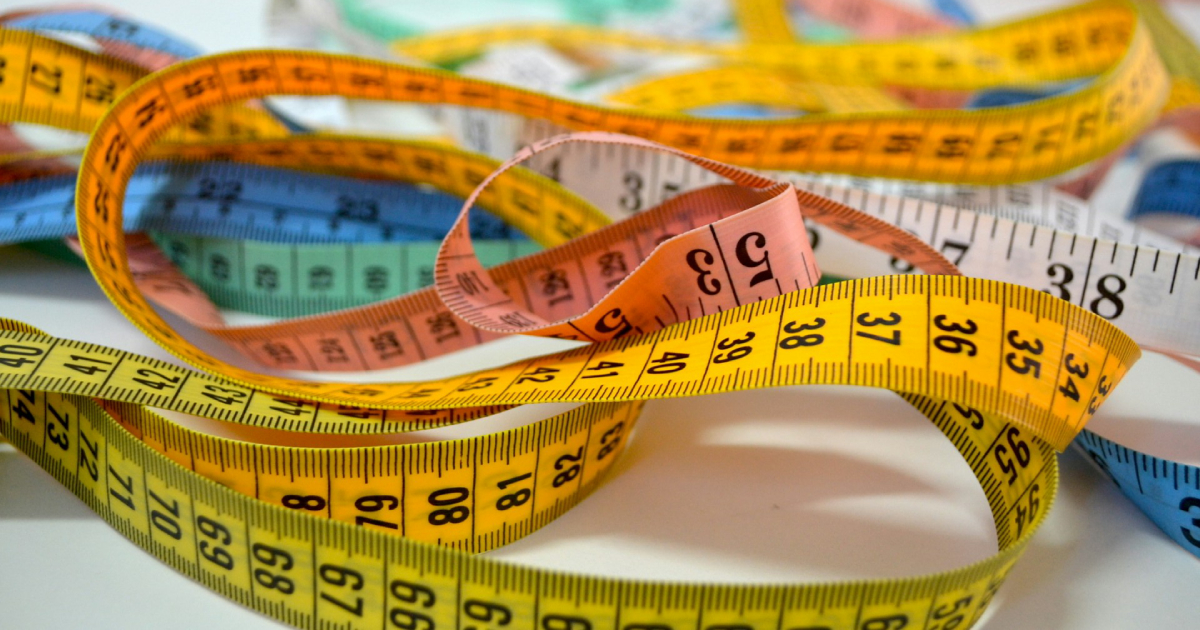
You do not need specialist equipment. A clean sheet of paper, a pencil and a ruler or measuring tape are enough. The important part is to measure while standing, because the foot spreads under body weight. Measuring while sitting can give a shorter result and lead to shoes that feel tight when walking.
Measure both feet, not just one. Many people have a small difference between the left and right foot. In shoe sizing, the longer foot should be your main reference. If one foot is slightly wider or higher at the instep, keep that in mind as well, because width and volume can affect comfort even when the length is correct.
- Place a sheet of paper on a hard floor and put your heel against a wall or straight edge.
- Stand naturally on the paper with your weight evenly distributed.
- Mark the end of your longest toe with a pencil held vertically.
- Measure the distance from the wall or heel line to the mark in centimeters.
- Repeat the same process for the other foot and use the longer result.
- Compare the CM value with the chart of the brand you want to buy.
For the most realistic result, measure your feet later in the day. Feet can expand slightly after walking, standing or training. It is also smart to measure while wearing the type of socks you plan to use with the shoes. Thin everyday socks, running socks and winter socks can change how much space remains inside the shoe.
How to read your measurement and choose a shoe size
After measuring your foot, you will have a value such as 24.5 cm, 26.2 cm or 28.0 cm. This number should be treated as your sizing anchor. The next step is to find the closest matching CM row in the brand chart. If your measurement falls between two sizes, the right choice depends on the model type and how much toe room you need.
For running shoes and long walking shoes, a small amount of extra space in front of the toes is usually useful because the foot moves forward during activity. For casual sneakers, a closer fit can feel better, provided the toes are not compressed. For training shoes, stability may matter more, so too much extra length can make the shoe feel less secure.
The most common mistake is choosing a size only because it is your “usual” EU number. Another mistake is using an old shoe as the only reference. A worn shoe may have stretched, softened or lost heel support, so it does not always represent the original size. A current foot measurement gives you a cleaner baseline.
How much space should be left in front of the toes?
A shoe should not press against the longest toe when you stand, walk or go downstairs. At the same time, too much space can cause sliding, heel movement and unstable steps. The ideal amount of room depends on the activity and the shoe construction. A running shoe needs more functional space than a tight fashion sneaker, while a walking shoe should balance comfort and stability.
Instead of thinking only about length, assess the whole fit. The heel should stay in place without painful pressure. The midfoot should feel secure but not squeezed. The toe box should allow the toes to rest naturally. If your toes touch the front while standing, the shoe is probably too short. If your heel lifts with every step, the shoe may be too long, too wide or not shaped well for your foot.
Why brand charts matter: Adidas, Nike and Skechers
Brand charts matter because every manufacturer can map EU, US, UK and CM values differently. Adidas, Nike and Skechers are all popular choices, but they are not interchangeable by label alone. A size that fits well in one brand can point you in the right direction, but the final decision should still be checked against the target brand’s chart.
Adidas is often used as a familiar reference because many people own Adidas sneakers or sports shoes. However, Adidas models can range from lifestyle classics to running, training and football footwear, and each category can have a different fit goal. If you already own a comfortable Adidas pair, use it as an anchor, then confirm the row in the Adidas chart before converting.
Nike sizing should also be checked by chart row, especially when you move between lifestyle and performance models. Some Nike shoes can feel more structured or snug in the midfoot, while others are softer and more relaxed. The visible size label is only part of the story; the CM row and model category are more useful.
Skechers is often chosen for comfort, walking and everyday use. Many Skechers models are built with a comfort-first feel, but that does not remove the need to measure. Soft uppers and cushioned interiors can change how a shoe feels, especially if you are between sizes or use thicker socks.
Using a converter after measuring your foot
Once you know your foot length, a converter can help you move between brands more confidently. The best method is to start with either your measured CM value or a pair that already fits well. Then compare the target brand row rather than copying a single EU, US or UK label.
The shoe size converter is useful when you know, for example, that one Adidas size fits you well and you want to estimate the closest Nike or Skechers equivalent. It is also helpful when an online store shows a different sizing system than the one you normally use. In that situation, CM works as the bridge between labels.
Remember that a converter gives a strong starting point, not a guarantee for every model. A basketball shoe, a trail shoe, a knit sneaker and a leather casual shoe can all behave differently. The chart tells you the likely length match; the product category tells you how that length may feel in real use.
Common sizing mistakes to avoid
Many wrong-size purchases happen because shoppers rush the decision. They pick the size they always buy, ignore the CM value or assume that all brands use the same logic. Small differences may not matter when trying shoes in a store, but they become important when buying online.
- Measuring only one foot: always use the longer foot as your sizing reference.
- Measuring while sitting: stand up so the foot spreads naturally under weight.
- Ignoring socks: the socks you wear can change the internal space of the shoe.
- Copying EU size across brands: compare CM rows instead of relying only on labels.
- Solving width with length: if a shoe is narrow, a much longer size may create heel slip instead of comfort.
Another frequent mistake is confusing foot length with insole length. Insoles can include extra construction space and may be measured differently by retailers. Your foot length is the cleaner starting point. Use it first, then check the chart and the specific product notes.
FAQ: measuring feet and choosing shoe size
Should I measure my feet in centimeters or inches?
Centimeters are usually the easiest reference for shoe size charts because many brand charts include a CM value. Inches can be useful too, but CM often makes brand-to-brand comparison clearer.
What should I do if one foot is longer?
Choose the size based on the longer foot. The shorter foot can usually be adjusted with lacing, socks or an insole, but a shoe that is too short for the longer foot will remain uncomfortable.
Should children’s feet be measured the same way?
The basic method is similar, but children’s feet change faster. Their shoes should be checked more often, and there should be enough room for natural movement without excessive looseness.
Is the same size always correct in Adidas, Nike and Skechers?
No. The same label can fit differently across brands and models. Measure your foot, compare CM values and check the target brand chart before choosing.
Measure once, compare wisely and choose shoes with more confidence
A practical home method for better online shoe sizing
Measuring your foot at home is one of the simplest ways to make shoe shopping more predictable. Stand on paper, mark the longest toe, measure in centimeters and compare the result with the chart of the brand you want to buy. Use CM as the anchor, then confirm the size in EU, US or UK only after checking the correct table.
Before buying your next pair, compare your measurement with Adidas, Nike or Skechers and use a converter when you move between brands. This small step can help you avoid unnecessary returns and choose shoes that feel comfortable from the first wear.