
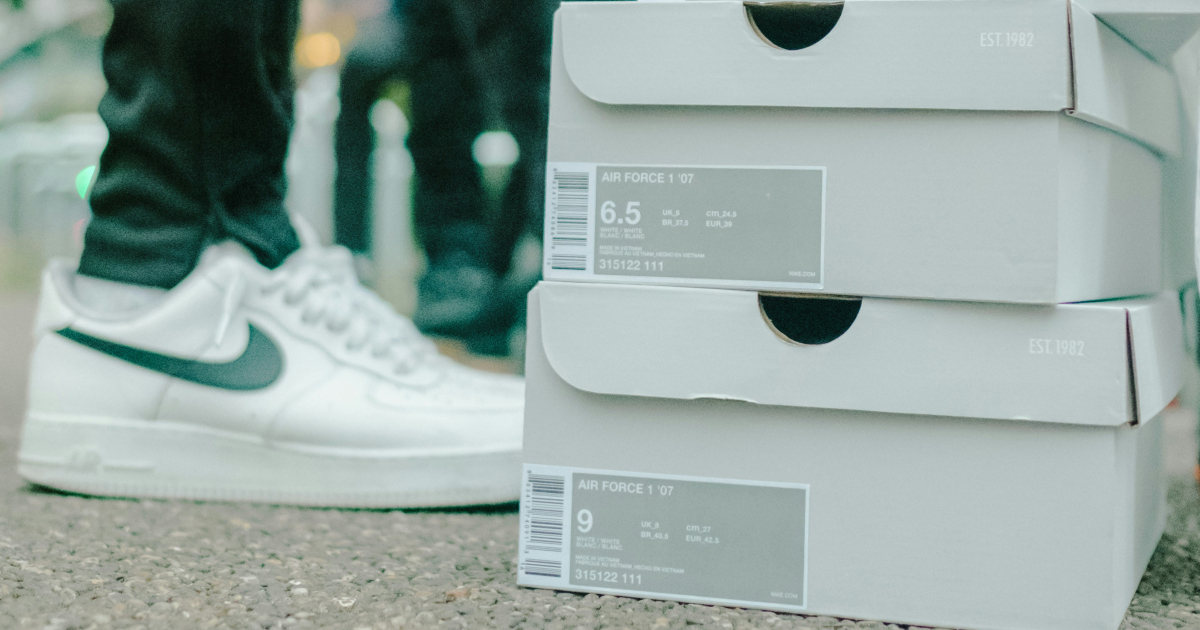
If you’re looking for a fast eu to us shoe size conversion, start with this: use an EU to US/UK shoe size converter and double-check the brand you’re buying, because conversions can vary.
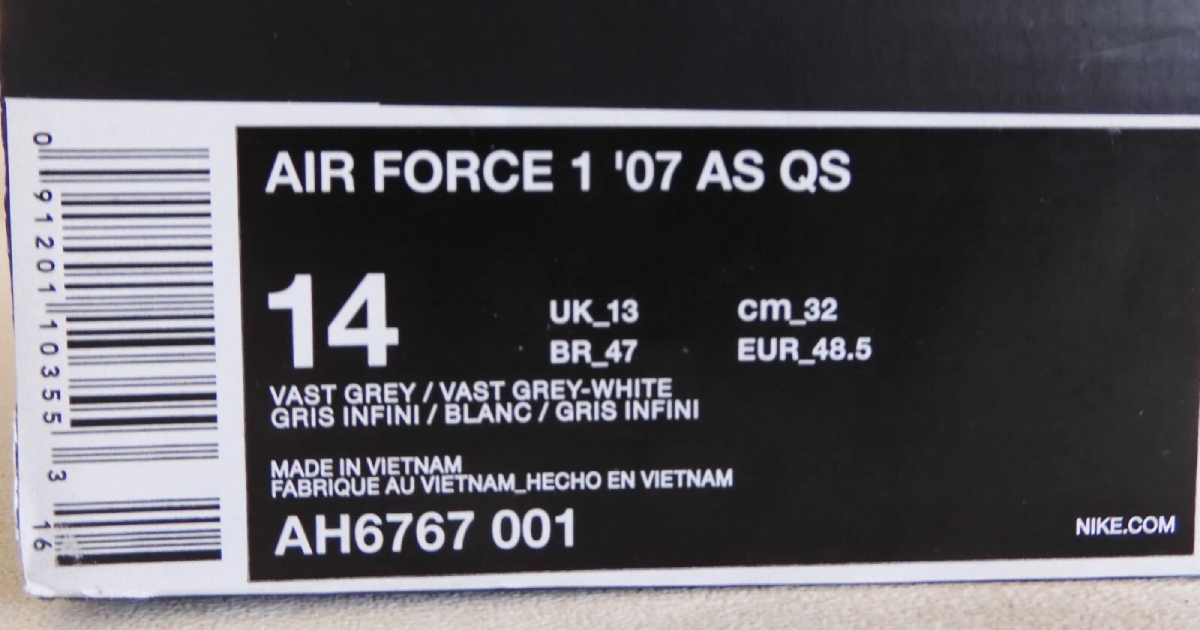
Why EU, US and UK sizing doesn’t match
Shoe sizing systems were created in different countries, at different times, and they don’t measure the same thing in the same way:
- EU sizing is typically expressed as a number that relates to the last length in a standardized scale (but not always directly “foot length”).
- US sizing differs between men and women and often includes half sizes more commonly.
- UK sizing uses its own scale and sometimes ends up closer to EU steps, but still isn’t a 1:1 match.
That’s why the “same” size can feel different depending on the brand, model, and the sizing chart the brand uses.
If you want the big picture first, the shoe size conversion hub is a good starting point.
Quick conversion table (use as a starting point)
These are common reference examples, but treat them as approximate because brands and models can shift half a size.
Men’s conversion (examples)
| EU | US (Men) | UK |
|---|---|---|
| 40 | 7 | 6 |
| 41 | 8 | 7 |
| 42 | 9 | 8 |
| 43 | 10 | 9 |
| 44 | 11 | 10 |
| 45 | 12 | 11 |
| 46 | 13 | 12 |
Women’s conversion (examples)
| EU | US (Women) | UK |
|---|---|---|
| 36 | 5.5 | 3.5 |
| 37 | 6.5 | 4.5 |
| 38 | 7.5 | 5.5 |
| 39 | 8.5 | 6.5 |
| 40 | 9.5 | 7.5 |
| 41 | 10.5 | 8.5 |
| 42 | 11.5 | 9.5 |
If you want a brand-aware check, use the EU to US/UK shoe size converter and then confirm the brand page when available (for example: Nike size chart or Adidas size chart).
How to convert your size in 30 seconds (step-by-step)
- Start with the size you know best (EU/US/UK).
- Convert it using the EU to US/UK shoe size converter.
- If you’re switching brands, compare brand-to-brand instead of relying on one static table:
- Adidas vs Nike sizing is a common example.
- If you’re between sizes, pick a rule before you buy:
- tighter performance fit (running/football) vs relaxed lifestyle fit.
Common mistakes (and how to avoid them)
1) Mixing men’s and women’s US sizing
US men’s and US women’s are not the same scale. Always confirm the gender/line you’re buying.
2) Ignoring width
Even if length is “correct,” width (toe box / midfoot) can make a shoe feel too small. If you often feel pressure on the sides, consider sizing rules in the brand page or comparing brands directly.
3) Treating conversion tables as exact
Tables are a great shortcut, but many brands shift a half size depending on:
- model (running vs lifestyle),
- region,
- materials and construction,
- intended fit.
When to size up/down (practical rules)
Use these as safe defaults when you can’t try the shoe on:
- Between sizes? Start with the larger size for comfort (especially in narrow models).
- Wide feet? Often better to keep length and choose width options when available.
- Performance shoes? Some people prefer snugger, but don’t crush toes.
If you’re unsure, go to Adidas vs Nike sizing or another compare shoe sizes between brands page and decide based on the brand you’re switching from/to.
FAQ
What is EU 42 in US men’s and women’s?
It’s commonly around US 9 (men) and around US 11–11.5 (women), but check the brand with the EU to US/UK shoe size converter.
Is UK sizing the same as US?
No. UK and US use different scales.
Why do conversions differ by brand?
Because brands use different lasts (shape/width) and sometimes different reference charts. Use compare shoe sizes between brands.