
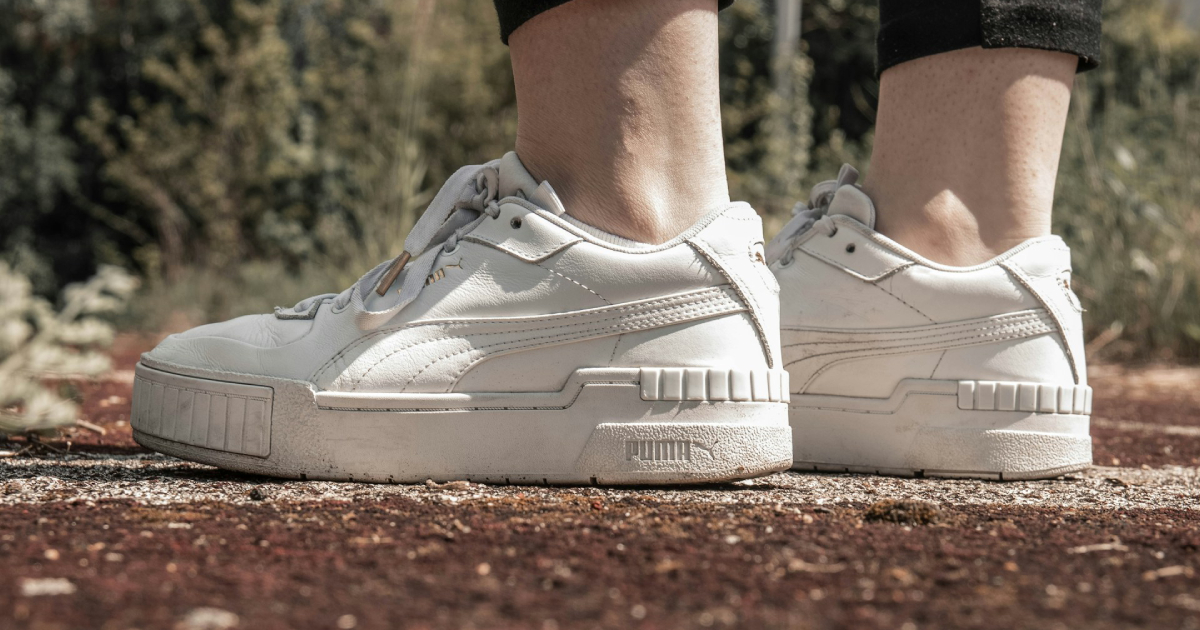
Many shoppers ask the same question before ordering sneakers online: do Puma shoes run smaller than Nike? The most accurate answer is: sometimes they can feel smaller, but not always because of the printed size. Puma and Nike use their own lasts, materials and model-specific constructions, so two shoes marked with the same EU, UK or US size can feel different on the foot. In practice, Puma models may feel slightly narrower or more compact for some people, while many Nike models also vary depending on whether they are running shoes, lifestyle sneakers or performance footwear.
That is why comparing Puma and Nike only by size number can be misleading. A better approach is to compare foot length in centimeters, check the brand-specific size guide and consider the shape of your foot. Tools such as a shoe size converter are useful when you move between EU, UK and US sizing, but the final decision should also include fit, width and intended use.
Puma vs Nike sizing: the short answer
If you usually wear Nike and want to buy Puma, you should not assume that the same number will always fit identically. In many cases, the same size can work, especially if your foot is average in width and the model has a standard lifestyle fit. However, if you are between sizes, have wider feet or prefer more toe room, Puma may feel slightly more snug than expected in some models.
Nike sizing also has its own inconsistencies. Some Nike sneakers feel true to size, while others, especially performance or narrow-profile models, may feel tight in the toe box or midfoot. This means the question is not only “Is Puma smaller than Nike?”, but rather “Which Puma model are you comparing with which Nike model?” A structured Nike and Puma shoe size comparison can help reduce guesswork when switching between the two brands.
Why the same shoe size can feel different
Shoe size is only one part of fit. A size label describes a measurement system, but it does not fully describe the internal shape of a shoe. Brands build shoes on different lasts, which influence the width of the forefoot, height of the toe box, heel shape, arch support and overall internal volume. As a result, two shoes can share the same size but feel noticeably different when worn.
For example, a Nike lifestyle sneaker may have a different upper shape than a Puma training shoe. A Puma suede model may behave differently from a lightweight Nike running shoe with a flexible mesh upper. Even within one brand, shoe lines can vary. That is why size charts are helpful, but they work best when combined with practical fit indicators such as toe space, heel hold and side pressure.
When Puma may feel smaller than Nike
Puma can feel smaller than Nike in certain situations, especially when the model has a narrower silhouette or a structured upper. This does not mean that all Puma shoes are objectively smaller. It means that the internal fit may feel more compact for some feet. People with wide forefeet or high insteps may notice this difference more strongly than people with narrow or regular feet.
You may experience Puma as smaller than Nike when:
- your toes feel close to the front of the shoe despite choosing your usual Nike size;
- the sides of the Puma shoe press against the forefoot;
- the upper feels less flexible than your usual Nike model;
- you are between two sizes and usually rely on a slightly roomier Nike fit;
- you wear thicker socks or use insoles that reduce internal space.
In these cases, going half a size up may be more comfortable. However, sizing up is not always the solution. If the larger Puma size causes heel slipping, the issue may be width or shape rather than length. Then a different model may work better than simply choosing a bigger size.
When Nike may feel tighter than Puma
It is also important to mention the opposite scenario. Some Nike models can feel tighter than Puma, especially performance shoes designed for a secure, athletic fit. Running, training and court shoes often have a more locked-in feel than casual sneakers. If you compare a narrow Nike running model with a relaxed Puma lifestyle sneaker, Nike may feel smaller even in the same size.
This is why broad brand assumptions are risky. A Nike Air Max, a Nike running shoe and a Nike football boot can fit differently. The same applies to Puma Suede, Puma RS models, Puma running shoes and Puma football boots. The best comparison is always model-to-model, supported by foot length and brand guidance. A dedicated Puma shoe size guide and Nike shoe size guide can help you understand how each brand presents its sizing.
How to choose your Puma size if you normally wear Nike
If Nike is your reference brand, start by checking the exact Nike size that fits you best, not just the size you usually buy. A shoe that is slightly too tight or too loose should not be used as a perfect benchmark. The most reliable reference is a Nike pair that feels comfortable after several hours of walking, does not squeeze your toes and does not slip at the heel.
Then compare the size in centimeters. Foot length is more stable than EU, UK or US numbering because different systems may round sizes differently. If your Nike size corresponds to a specific foot length, look for the closest Puma equivalent based on the same measurement. This is usually more accurate than assuming that EU 42 in Nike automatically equals EU 42 in Puma.
- Measure both feet in centimeters and use the longer foot as your reference.
- Check the size that fits you best in Nike and note its length equivalent.
- Compare that measurement with Puma sizing rather than relying only on EU, UK or US numbers.
- If you are between sizes, consider your foot width and the purpose of the shoe.
- Choose the larger size if the smaller one limits toe movement or creates pressure.
This method is especially useful when buying online. It does not remove every variable, because models still differ, but it reduces the risk of choosing based only on habit.
Should you size up in Puma compared with Nike?
You may want to size up in Puma compared with Nike if your feet are wide, if you are between sizes or if the Puma model you want has a narrow shape. Sizing up can also make sense for sports or long walking, where the foot needs more room to move and may swell slightly throughout the day. A little extra toe space is usually better than constant pressure at the front of the shoe.
However, do not size up automatically in every Puma shoe. If your foot is narrow or your chosen Puma model has a relaxed fit, the same size as Nike may be correct. Too much length can cause the foot to slide forward, leading to friction, blisters and reduced stability. The right size should hold the heel securely while allowing the toes to move naturally.
Width matters as much as length
Many people think they need a larger size when the real problem is width. If a shoe presses on the sides but leaves enough space in front of the toes, the shoe may be too narrow rather than too short. In that case, going up a size may create unnecessary length without solving the side pressure completely.
This distinction is important when comparing Puma and Nike. A shoe that feels smaller may not actually be shorter. It may have a lower toe box, narrower midfoot or tighter upper material. Pay attention to where the discomfort appears. Pressure at the front suggests insufficient length. Pressure at the sides suggests width or shape. Heel slipping in the larger size suggests that the shoe’s proportions may not match your foot.
Practical fit test before keeping the shoes
When trying Puma after wearing Nike, test the shoes indoors before deciding. Wear the socks you plan to use with them. Stand up, walk for several minutes and check both feet. Your longest toe should not hit the front. Your heel should remain stable. The upper should hold the foot without creating painful pressure.
Try the shoes later in the day as well, because feet often become slightly larger after walking or standing. If the shoes feel perfect only in the morning but tight in the evening, they may become uncomfortable during normal use. A good fit should remain comfortable when your feet are at their natural daily size.
Summary: Puma can feel smaller, but compare the fit, not just the number
The smarter way to switch between Puma and Nike
Puma shoes can feel smaller than Nike in some models, especially for people with wider feet or when the Puma shoe has a narrow, structured fit. But this is not a universal rule. Nike also has models that run snug, and both brands vary by category, material and construction. The same printed size is only a starting point, not a guarantee of identical comfort.
The safest approach is to compare foot length in centimeters, check brand-specific sizing and consider the shape of your foot. If you are between sizes, choose the option that gives your toes enough space without sacrificing heel stability. If neither size feels right, the model may not match your foot shape.
Before choosing your next pair, use Sizetab to compare Puma and Nike sizing more carefully. A few minutes spent checking measurements can make online shopping easier, reduce returns and help you find shoes that feel right from the first wear.